
Ever pondered the value of a simple plumbing tool in providing access to outdoor water? Its importance is often underestimated. Square-keyed sillcocks have been a staple for decades, reducing unauthorized access to outdoor faucets and utilities. The 4 Way Sillcock Key, also known as a 4 way key, is a compact, multi-purpose tool. Plumbers and homeowners depend on it to open recessed spigots.
Continue reading about 4 Way Stem Key
Popular names including Husky, Knipex, Hautmec, Willbond, Cobra, and Grainger provide a variety of options. Buyers weigh factors such as portability, durability, and versatility. The right 4 way sillcock key should help prevent stripped spigots, handle painted or stiff valves, and fit common keyed shapes on residential and commercial fixtures.
This guide explains the functionality of a four way key, its proper use, and what to consider when purchasing a multi-functional key. It belongs in a toolkit or service vehicle.
What Is A 4 Way Sillcock Key And How It Works
A 4 way sillcock key is a multi-use tool designed for turning recessed keyed faucets, hose bibs, and utility valves without exposed handles. It provides controlled access to water systems in various settings, including yards, parks, and service cabinets. It is useful for professionals and homeowners when standard handles cannot be reached or access must be limited.
Definition And Core Purpose
This tool’s main function is to operate valves with keyed recesses instead of knobs. A water valve key allows authorized users to open or shut supply lines without altering the plumbing. It’s invaluable for maintenance crews, landscapers, and emergency responders needing quick, secure access to outdoor water.
Common Sizes And Shapes Found On Most Keys
Most keys feature several square sizes, matching common stems like 1/4″ (6mm), 9/32″ (7mm), 5/16″ (8mm), and 11/32″ (9mm). Premium models also include triangle bits, half-moon slots, and step-square fittings. A 4 way stem key or 4 way spigot key with these features covers most residential and light-commercial applications.
Why Recessed Square-Keyed Access Points Are Used For Outdoor Faucets And Other Utilities
Recessed square-keyed access points are chosen to reduce unauthorized use of public water. Agencies like transit, parks, and building management favor them to reduce vandalism and water waste. A key for water hose access ensures only authorized personnel can operate the outlets.
How The Key Fits Sillcock Spigots, Hydrants, And Other Valve Types
The tool fits into the recess and transfers torque to the internal stem or stop valve. Achieving proper engagement requires the correct bit shape and a precise fit to avoid slippage. When the faucet tool matches the valve, it can turn stuck or painted-over stems with reduced chance of stripping.
- Helpful Tip: Use the correct bit size for the valve to prevent damage.
- Tip: Choose a 4 way spigot key or faucet tool that can handle the torque required on older spigots.
- Quick Tip: Carry a compact tool that can serve as both a key for water hose access and a 4 way stem key across varied jobs.
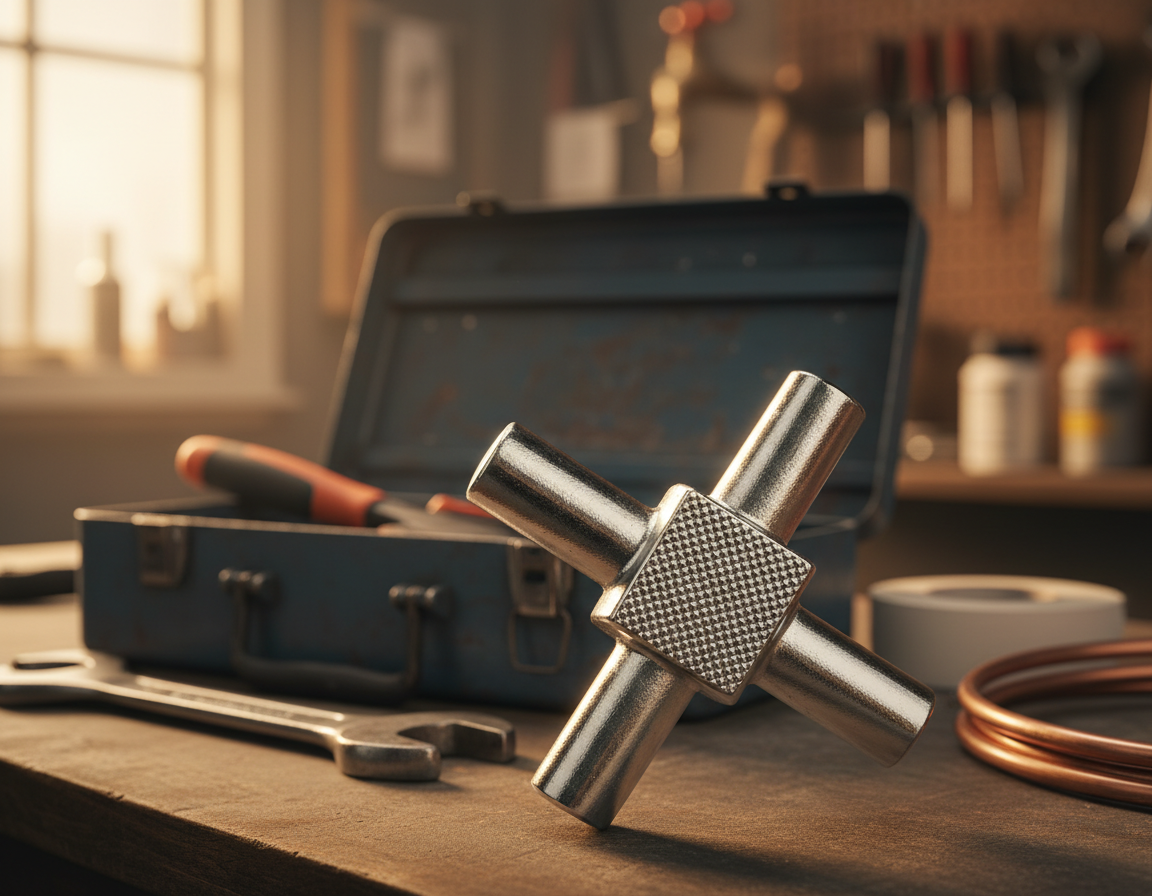
4 Way Sillcock Key: Practical Uses For Homeowners And Professionals
A compact 4 way sillcock key can reduce time spent on routine jobs and urgent calls. Homeowners, landscapers, and service crews rely on this plumbing tool. It opens recessed spigots, provides temporary water, and manages seasonal tasks without the need for multiple wrenches.
Turning on outdoor faucets and hose bibs in residential settings
Keep a four way water key in your car or garage kit. It is useful for outdoor faucets when handles are missing or frozen. A bib key or hose bib key fits most recessed spigots, allowing quick access to water for cleaning, filling tanks, or testing irrigation.
Accessing commercial and public water spigots and preventing unauthorized use
Maintenance crews use a 4 way water key to operate keyed municipal and commercial spigots. The multi-head design helps limit unauthorized use. It gives authorized staff a reliable outdoor faucet key for parks, construction sites, and service yards.
Use for landscaping, maintenance, and winterization
Landscapers and property managers rely on a key for water hose during irrigation startup, shutdown, and winterization. The tool speeds up flushing, draining, and seasonal shutdowns across varied spigot shapes without the need to switch tools.
Why plumbers and contractors use a multi-functional key for efficient service
Plumbers and contractors prefer a sturdy four way water key or branded heavy-duty variants. These help reduce clutter in the truck. Carrying one compact plumbing tool cuts service time when locating shutoffs, opening yard spigots, or prepping sites for repair.
Examples of situations where a 4 way water key or four way water key is essential
- Accessing water after outages for cleanup and essential needs.
- Opening public spigots for events, street cleaning, or construction work.
- Opening recessed valves in older buildings during inspection work.
- Providing temporary supply for mobile crews and landscape teams.
How To Choose The Right Tool: Models, Materials, And Features To Look For
When selecting a water-key tool, it’s essential to match the key to the spigot types you frequently encounter. A compact, well-crafted key can save time and prevent damage during service calls or weekend yard work.
Keyed Sizes And Configurations To Cover Most Spigots
Seek keys with multiple square sizes, such as 6mm, 7mm, 8mm, and 9mm. Triangle bits typically range from 7–12mm. Half-moon plus step-square profiles are designed for legacy fittings.
Buying higher-end models can give you broader metric coverage. This means a single 4 way spigot key can accommodate uncommon stems. Such flexibility eliminates the need for separate tools for each task.
Materials, Build Quality, And Durability Considerations
Opt for machined or hardened tool steel for its strength and resistance to shattering under torque. Precision machining minimizes the risk of stripping valve stems.
Premium brands like Knipex twin key use tool steel and smart nesting designs. Mid-range options, such as Hautmec 4-way, offer durability at a more affordable price.
Weight, Portability, And Whether To Keep A Key In Vehicle Or Toolkit
Weight can vary significantly, from lightweight Willbond 4-way tools to heavier Knipex units. A heavier key often lasts longer and covers more sizes but adds bulk.
Store a robust key in your vehicle or service bag. Keep a lighter 4 way spigot key in your home toolbox for quick outdoor jobs.
Brand And Product Examples To Consider
- Hautmec 4-way — a good-value option with machined steel construction.
- Knipex twin key — premium German build and wide bit coverage.
- Willbond 4-way — a lightweight option for daily carry.
- Husky options, including the husky 4 way sillcock key, are widely available choices that balance function and cost.
Where To Buy And A Distributor Note
Buy from specialty plumbing suppliers, online marketplaces, or a plumbing wholesale distributor for contractor-grade tools. Installation Parts Supply stocks professional sillcock keys for service departments.
For homeowners, big-box stores are convenient. Search terms like home depot silcock or silcock home depot will reveal common 4 way spigot key options on retail shelves.
Safety, Legal, And Best Practices For Using A Bib Key Or Hose Faucet Key
When using a bib key, hose faucet key, or hose spigot key, use caution and common sense. Many public and commercial spigots are locked or require a key to prevent unauthorized access. Possessing a 4 way key or cross key does not grant you permission to access private or municipal water sources.
Responsible access and legal considerations
Always confirm permission before operating a water valve key on a public or commercial outlet. Local laws or property regulations might restrict turning on spigots without consent. Use a 4 way stem key only for approved maintenance, emergency shutdown, or with explicit permission from the owner.
How to prevent damage with the right fit and technique
Select the correct bit on your 4 way key so it fits the spigot head properly. A snug fit minimizes slippage and the risk of damaging square or triangular stems. Never force a stuck valve; instead, apply penetrating lubricant and apply steady torque. Avoid makeshift tools such as pliers because they can round off edges and damage a cross key.
Tips for maintenance and storage
- Keep the water valve key dry by wiping it down after each use.
- Inspect the bits often and replace them if they show cracks or rounded edges.
- Store a compact 4 way key or 4 way stem key on a dedicated keychain, in your toolbox, or vehicle for quick access during tasks.
When to call a professional
If a valve is leaking, completely seized, or if a keyed mechanism is damaged, contact a licensed plumber. A plumber will have the proper tools and replacement parts to prevent additional damage to the spigot. If the spigot belongs to a building owner or municipality, report the issue instead of attempting invasive repairs yourself.
Final Thoughts
A 4 way sillcock key is a portable, affordable plumbing tool. It unlocks recessed outdoor faucets and utility valves across various settings. This four way water key combines multiple key bits in a compact design. It is a practical tool for landscaping, maintenance, and emergency water access without heavy gear.
Choosing the right outdoor faucet key involves considering size, material, and the bit types needed for local spigots. For occasional homeowners, value-oriented brands like Hautmec, Willbond, and Husky offer useful faucet tool options. Professionals often prefer premium, durable choices such as Knipex or sourcing through distributors like Installation Parts Supply. Big-box retailers like Home Depot carry basic sillcock options.
Store a water hose key or four way water key in your toolkit or vehicle for routine maintenance and winterization. Use it responsibly, replace worn keys before they damage spigots, and contact a licensed plumber when a valve cannot be operated safely. With the proper 4 way sillcock key available, basic outdoor plumbing jobs remain efficient and free from unnecessary damage.
Related: Denver Hotels Executive Car Service: The Best Way to Impress Clients