
Did you know that more than 25% of all residential system failures are directly linked to a missing consistent upkeep? This surprising statistic highlights a frequent challenge for numerous homeowners.
More info about septic pumping

Explore the resource about septic pumping

Get the information about septic pumping
If you have an backyard sewage unit, knowing the correct service schedule is not merely advice—it’s essential for safeguarding your investment and your home.
A common mistake is to think of this essential system as something to bury and neglect. In reality, it is a biological component of your property that demands consistent care to function correctly.
Adhering to a proper maintenance plan prevents messy overflows, bad odors, and high-priced crisis work. This guide will guide you to find the best frequency for your home’s unique requirements.
Specialists like Septic Services of LA deliver the expert advice and reliable service required to ensure smooth operation for years to come.
Main Points
- Regular upkeep is critical to avoid malfunctions.
- Your household size and daily water consumption decide your perfect pumping timeline.
- Ignoring your system can result in very expensive repairs and safety hazards.
- Keeping detailed records of all service dates is a vital component of good ownership.
- Expert providers provide the knowledge required for optimal system performance.
- This article will discuss the main factors and red flags you should understand.
Knowing How Your Septic Works
Beneath your property lies a smart waste system that handles every drop of sewage biologically. This underground system is made up of three primary components that operate together seamlessly.
The primary unit is the septic tank itself, where all household waste initially collects. Then there is the absorption area, which disperses effluent into the earth. The surrounding earth serves as the last purification step.
As sewage flows into the container, gravity starts dividing the layers. Dense matter fall to the floor, creating a zone known as sludge. Lighter materials like oils rise to the top, forming a floating mat.
The center zone contains clarified liquid called effluent. This partially treated fluid then flows out to the leach bed for further treatment.
Beneficial microbes in the system and the ground play vital roles in breaking down waste materials. These tiny helpers ensure the safety of local water sources by decomposing harmful components.
Grasping how this works demonstrates why regular service is needed. The team at Septic Services of LA can detail how your unit functions when they service your home.
Variables Affecting Pumping Schedules
Your home’s unique characteristics have a big impact in establishing the right maintenance schedule. The amount of residents residing in the home impacts how quickly waste accumulates.
More people result in more showers, washing machine cycles, and toilet flushes. All these activities contribute to more rapid accumulation of your underground treatment unit.
Your tank capacity is equally important. Bigger tanks can handle more waste and need service less often than tiny tanks serving the same family.
| Family Element | Minimal Use Case | Heavy Use Case | Service Schedule |
|---|---|---|---|
| Family Size | Small household | Large family | Infrequent vs. Frequent |
| Unit Size | Big system | Small tank | Less frequent vs. More frequent |
| Water Usage | Efficient appliances | High daily consumption | Delated vs. Urgent |
| Solids Volume | Minimal garbage disposal use | Heavy disposal use | Extended vs. Frequent |
Water conservation habits and using efficient machines also influence your timeline. Vintage tanks or those showing wear may need frequent expert checks.
Septic Services of LA examines every factor during their assessment. They design tailored strategies that prevent unnecessary service whilst stopping issues.
Correct assessment allows property owners to balance cost savings while keeping the tank safe. Tailored timelines guarantee best operation for your unique needs.
Spotting Indicators That Pumping Is Required
The septic unit communicates when it needs help using distinct warnings around your home. Spotting these clues fast can stop big problems and save you significant repair costs.
Slow drains all over the home that won’t clear with a plunger are usually the first clue. When multiple fixtures drain sluggishly, the tank might be full.
Foul stenches near the treatment area or drain field indicate escaping gases from an overfull container. These smells mean waste isn’t properly contained.
Puddles or unusually green grass patches above the drain field indicate effluent isn’t absorbing properly. Gurgling plumbing sounds and weak toilet flushes also suggest urgent help may be necessary.
Homeowners can check levels using a long stick with velcro attached to measure sludge depth. When the dark material reaches 12 inches at the bottom or the top layer measures 6 inches thick, you need a pro.
However, removing the lid can be dangerous. Septic Services of LA delivers safe evaluations that keep you safe while delivering accurate assessments with photo documentation of the real situation.
Their expert evaluation finds issues before they become emergencies, making sure the unit receives proper care at the right time.
Advice On Pumping Frequency For Homeowners
Many homeowners wonder how often their septic setup needs service. Standard rules say most units need service every 3-5 years. This is a baseline rather than a strict rule.
Your specific situation decides the ideal timeline. A 4-person home with a standard 1,000-gallon unit usually requires a pump every 2.5-3 years. Smaller containers for the same household size may require more regular service.
| Household Size | Volume | General Timeline | Condition-Based Approach |
|---|---|---|---|
| Small family | 750-1,000 | 4-5 years | Check layer depth |
| 3-4 people | 1,000-1,500 | Every 2.5-4 yrs | Check when sludge reaches 12 inches |
| Big household | Large | 1-3 years | Pump at 6″ scum |
Set dates are not as good as condition-based schedules. Certain homeowners pump their tanks too frequently. This wastes money and hurts the good bugs.
These microorganisms require a few weeks to rebuild colonies. Over-pumping can hurt the biological digestion. The best way relies on real data.
Septic Services of LA creates custom plans via expert checks. They look at your tank’s state and usage habits. The team maintain detailed records to establish optimal future service intervals.
Guidelines For Effective Septic Tank Pumping And Maintenance
Small daily actions can greatly prolong the lifespan of your septic system. The pros from Septic Services of LA emphasize that every drop from the drains passes through this underground system. Good maintenance keeps the parts working perfectly for decades.
Water conservation plays a crucial role in upkeep. Take shorter showers and fix leaky faucets promptly. Use appliances only when full to lower the load on your system.
Watch what you flush. Don’t dump grease, chemicals, or non-biodegradable items into sinks or toilets. The commode is only for waste and tissue—no garbage.
Guard the leach area by moving downspouts away from the area. Avoid parking vehicles over this critical component. Keep trees and large shrubs far away to prevent root damage.
Regular inspections periodically spot minor problems prior to costly failure. Adhering to these tips will keep your septic system healthy and stretch the time between pump-outs.
Practical How-To Steps For Preparing Your Septic Tank Pumping
A little advance planning makes a difference when it’s time for your regular system maintenance. Proper preparation helps the crew from Septic Services of LA can do the job fast and well.
First, find your underground wastewater unit. Check property records or look for the main sewer line exit from your home. Many tanks are buried 10-25 feet from the building.
Clear the surrounding area of obstacles prior to arrival. Remove rocks, heavy objects, and trim overgrown vegetation. Make sure the tanker has easy access to the site.
If the access port is buried, you can dig it out to speed things up. The pros can dig it if needed. The cleaning job usually lasts 20-30 minutes per 1,000 gallons.
During the service, professionals inspect components including baffles and pipes. They look for breaks while removing all contents. Costs generally range between $300 and $600 based on location and size.
Being present during the appointment allows technicians to answer questions and get advice. Septic Services of LA provides thorough documentation to help track your system’s health over time.
Leveraging Professional Septic Services For Optimal Care
Specialized service changes regular chores from a burden to a benefit in your property’s health. Attempting to handle wastewater system service yourself invites bad cleaning and possible breakage.
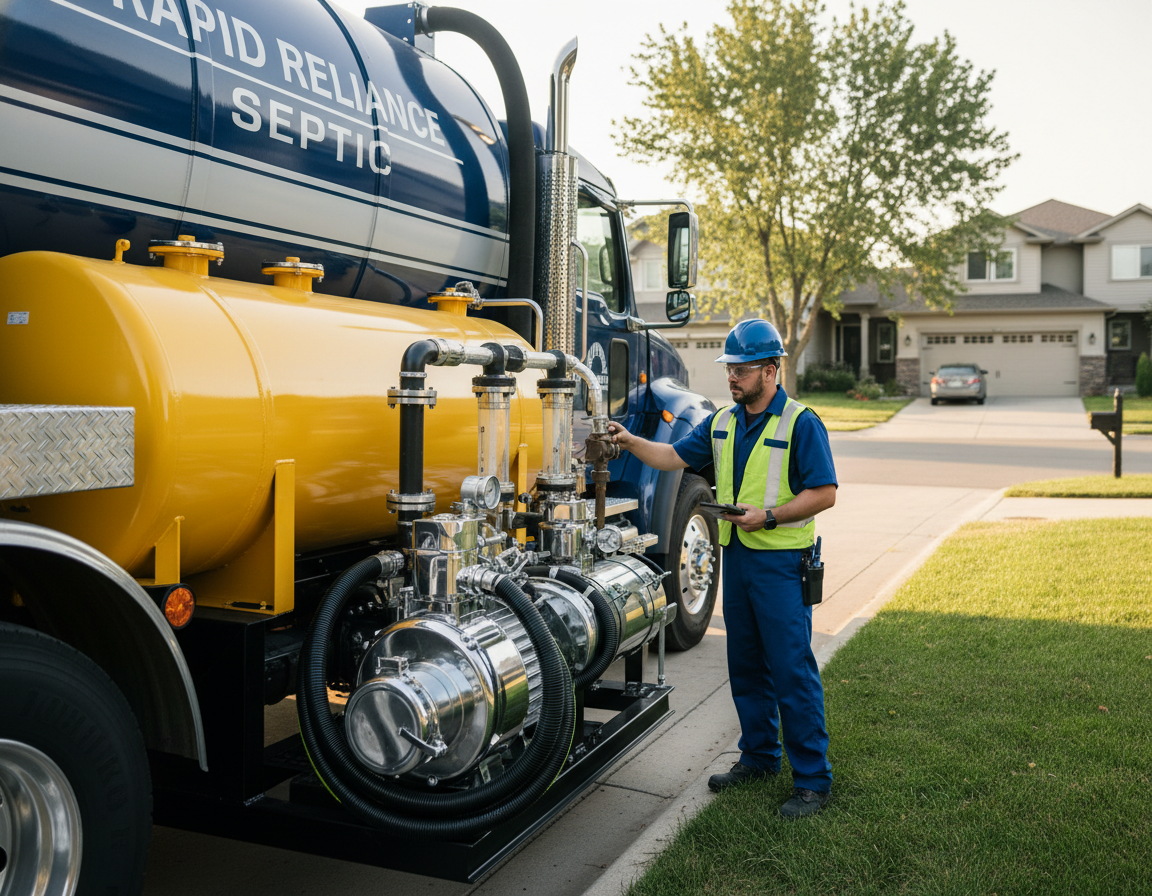
Specialized vacuum equipment and proper disposal permits are required for doing it right. Trained experts know how to dodge toxic fumes while working.
Choosing a provider, verify their licensing, insurance and client feedback. Transparent pricing and skilled workers show quality service you can trust for your family.
Septic Services of LA is recognized as the top choice in the LA region. The crew offers comprehensive care from checkups and emergency response.
Technicians conduct thorough inspections during each visit, finding problems before they become costly emergencies. They maintain detailed records to optimize your pumping plan as years pass.
Additional value-added services involve finding tanks and providing personalized guidance. Their focus on teaching you guarantees you know your system’s unique needs.
Offering easy booking and fast arrival, Septic Services of LA provides trusted help that saves your asset. Their expert method guarantees proper handling all the way through.
Maintaining A Healthy Septic System Post-Pumping
Your wastewater treatment setup starts a rebuilding period after professional service. The good bacteria that break down waste require a while to rebuild their colonies.
The microbes typically require 1-3 weeks to return to optimal levels. In this time, be extra mindful of your household’s water consumption.
Continue avoiding strong cleaners and non-biodegradable items in the pipes. Maintain the good habits that prolong the gap between pumps.
Set a check-up plan annually or tri-annually to watch waste levels. This proactive approach helps catch developing issues early.
Keep detailed records of all maintenance activities and observations. Septic Services of LA assists clients in keeping these important data for optimal system management.
Look out for alerts like slow drains or bad smells around your drain field. These signs can signal when your unit needs attention.
Yearly looks of your property and continued water conservation practices help with long-term system health. Good management between service visits significantly extends system life.
Summary
Managing your home’s wastewater management begins with understanding its unique rhythm. There is no universal schedule that works for everyone. The correct interval relies on occupancy, usage habits, and the volume of solids entering the system.
The most reliable method involves checking the waste depth in the tank. Watch for warning signs like sluggish pipes or unusual odors. These signals mean it’s time for professional attention.
Smart routines save the system and can extend the time between service appointments. Relying on pros like Septic Services of LA guarantees safe, thorough care and custom tips.
Want a setup that runs smoothly for years? Reach out to Septic Services of LA now for a expert check and keep your home’s wastewater treatment on the right track.
Related: Read Online About Septic Pumping: What Not To Do With Additives