
Following EPA guidelines is essential for homeowners to decide the appropriate timing for pumping. This involves pumping when the scum layer’s bottom is roughly six inches of the outlet or when the sludge layer’s top is roughly twelve inches of the surface. A professional inspection is vital to verify these levels, so that the service is performed at the most ideal moment.
More information about septic pumping

Independent source about septic pumping

View resource about septic pumping
The act of pumping enables the removal of liquid, floating solids, and settled solids, which are introduced into the tank from multiple household sources such as toilets, showers, sinks, and washing machines. The benefits of septic tank pumping are manifold, including fewer backups, a reduced risk of leaching that taints groundwater, and reduced long-term repair costs when weighed against the expense of replacing a damaged drainfield.
Smart septic tank maintenance also has a major impact on environmental protection. Routine pumping ensures that untreated effluent does not contaminate surface water, greatly reducing the risk of well contamination. Homeowners who commit to regular pumping and inspections play a essential role in safeguarding community water quality, avoiding unsafe nitrate levels that indicate leakage.
Understanding Septic System Core Concepts And Pumping Needs
A common home septic system consists of three primary layers within the tank. Solids settle at the bottom, forming a sludge layer. At the top, fats and oils build a scum layer. The middle layer, composed of less cloudy effluent, flows to the drainfield. This breakdown of septic system fundamentals highlights the importance of consistent maintenance.
Septic tanks come in multiple materials, including concrete, fiberglass, and polyethylene. Some tanks have two compartments, each built to trap solids. This means the evaluation of both sides during a pumping cycle. Imbalanced buildup of solids can weaken the drainfield’s filtering capacity.
Solids within the tank vary in their ability to break down. Easily biodegradable waste, such as food scraps, is unlike gradually biodegradable items like toilet paper. Non-biodegradable materials, including plastics and cat litter, also contribute to the solids load. An increase in these hard-to-break materials shortens the interval between needed cleanings.
Professionals employ vacuum pumps and hoses to securely remove sludge and scum during the septic tank pumping process. In cases where the sludge is densely packed, water jets or agitation may be required to dislodge the solids for thorough removal.
A properly maintained soil drainfield is essential for treating effluent. It filters and breaks down organic matter. Neglecting regular maintenance or overloading the system can clog soil pores, reducing treatment capacity and creating a risk to the property.
Proper measurement of scum and sludge levels requires the expertise of qualified inspectors. The EPA cautions against relying on chemical additives to delay pumping, as they can disrupt the natural bacterial balance necessary for waste treatment. Instead, adhering to proper cleaning and scheduled pumping is crucial to maintaining long-term system health.
Why You Should Pump Your Septic Tank
Pumping your septic tank is a core step in safeguarding your property and ensuring the reliability of your systems. It reliably curtails the accumulation of sludge, prevents damage to the drainfield, and prolongs the lifespan of the tank. These benefits underscore the importance of regular maintenance, making it critical for homeowners to schedule routine inspections.
Regular maintenance of your septic tank prevents the buildup of sludge and scum, which can seriously damage the tank’s materials—be it concrete, steel, fiberglass, or plastic. By maintaining low levels of solids, the drainfield remains intact, allowing the system to function optimally for decades. This proactive approach greatly reduces the likelihood of incurring expensive repairs or the need for a complete system replacement.
Preventing Backups And System Problems
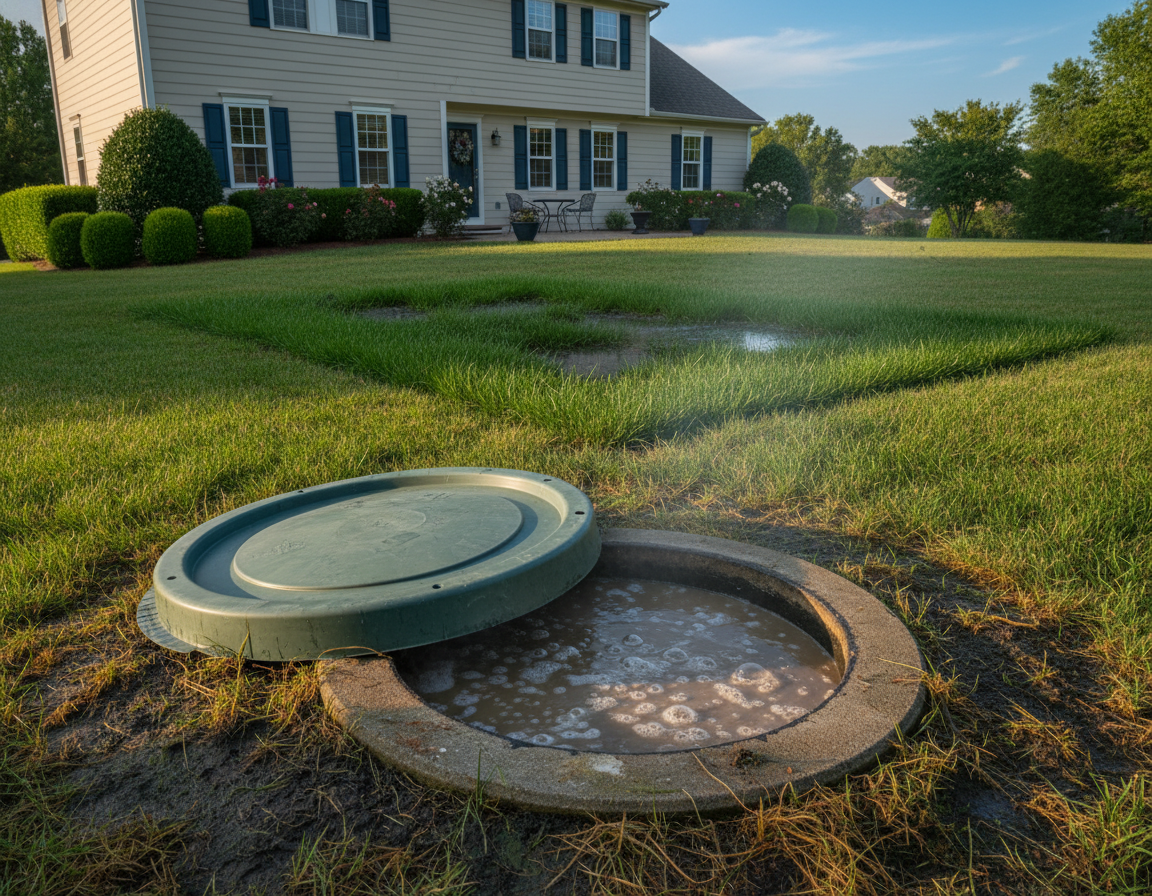
An excessive accumulation of solids reduces the tank’s capacity, raising the risk of raw sewage backflow into your home. Quickly addressing early indicators such as slow drains and gurgling sounds can prevent a major emergency. The presence of standing water near the tank or unusually verdant grass over the drainfield often indicates an overflow or failure, which can be resolved through on-time pumping and inspection.
Maintaining Strong Efficiency And Reliability
The removal of accumulated solids supports the tank’s ability to separate solids from liquids, ensuring that the effluent sent to the drainfield is adequately treated. Reducing the use of garbage disposals and avoiding the flushing of non-biodegradable items helps this process, extending the interval between necessary services. Adjusting the frequency of septic tank pumping based on household size, tank volume, water usage patterns, and solids load is recommended.
Typically, households follow a 3–5 year pumping cycle. Those with smaller solids production might require pumping every 1–2 years, while those with heavier loads may need it every six months. A licensed septic professional can review your specific situation and recommend an best-fit pumping schedule that weighs the benefits of septic tank maintenance with cost and convenience considerations.
Regular Maintenance: Key To A Healthy Septic System
Ensuring the longevity of a septic system necessitates consistent maintenance. This practice helps prevent the occurrence of expensive repairs. Through scheduled pumping and routine inspections conducted by a qualified professional, one can gauge sludge levels and identify signs of wear before they develop into serious issues.
The foundation of effective septic system care lies in the reduction of solids and grease. Reducing the use of garbage disposals, refraining from flushing non-biodegradable items, and promptly addressing leaky faucets are essential. These actions work toward extending the interval between necessary maintenance services.
Following EPA guidelines is crucial for septic tank cleaning and inspections. Technicians, upon site evaluation, determine the exact requirements for your household’s septic system. They measure the scum and sludge layers to establish the optimal septic tank pumping frequency, taking into account your household size and tank type.
Products claiming to extend the interval between pumping cycles by altering tank biology are discouraged by the EPA. Such additives can disrupt the microbial balance and compromise the integrity of the drainfield. It is recommended to rely on mechanical cleaning and the expertise of professionals for effective maintenance.
Maintaining a record of pumping dates, inspection reports, and any repairs is important. It aids in scheduling the next service and supports compliance with resale or code requirements. Observing seasonal patterns and planning septic tank pumping frequency in advance ensures the system’s rest and effective breakdown of solids during extended periods of inactivity.
Implementing simple maintenance practices safeguards groundwater and the drainfield from excessive load. Neglecting maintenance leads to the accumulation of heavier sludge, complicating removal, boosting the risk of backups, and amplifying the likelihood of contamination.
Signs Indicating Your Septic Tank Needs Attention
Timely detection of septic tank issues can prevent significant financial burdens and health hazards. Homeowners must be vigilant for subtle alterations in plumbing functionality, yard aesthetics, and odor presence. Immediate intervention, including a thorough septic tank pumping or cleaning regimen, is essential to mitigate minor problems from growing into serious emergencies.
Slow Draining Fixtures And Gurgling Noises
Symptoms of slow draining in various household fixtures often signal a nearly full or obstructed septic system. The presence of gurgling sounds rising from drain lines signifies trapped air and restricted flow. Promptly addressing these symptoms through an inspection and the appropriate septic tank pumping process can avert backups and the necessity for costly emergency repairs.
Foul Odors And Yard Changes
Foul odors emanating from drains or outdoors frequently point to an overloaded septic tank or failing drainfield. The appearance of unusually lush, green patches of grass above the drainfield serves as a clear warning of effluent surfacing. Simultaneously, the presence of standing water or excessively moist ground near the tank indicates saturation or overflow, necessitating immediate attention.
Well owners are advised to conduct regular nitrate level tests. Elevated nitrate concentrations can suggest septic effluent infiltration into groundwater, posing major health risks.
More Frequent Plumbing Issues
Recurring clogs, frequent calls to plumbers, or prolonged fixes often point to a systemic issue, not isolated incidents. Worsening blockages require a septic tank cleaning and a detailed inspection. In cases of raw sewage backing up into the home, immediate pumping and professional intervention are critical to safeguard property and health.
Consistent maintenance and on-time septic tank pumping are the most effective preventive measures. Vigilance for signs of septic tank malfunction and prompt consultation with a licensed septic professional are essential.
Cost-Benefit Analysis Of Septic Tank Pumping
The cost of septic tank pumping is influenced by geographical location, tank size, sludge accumulation, and accessibility. Properties with risers typically experience less disruption to their yards and lower labor costs. Companies like Roto-Rooter and Mr. Rooter often provide complimentary or discounted estimates, enabling homeowners to compare prices effectively.
Regular maintenance can uncover minor issues before they develop. Should inspections uncover damage to baffles, cracks, or drainfield malfunctions, additional repair costs will be incurred. Incorporating these expenses into your financial planning offers a more accurate estimate of the long-term cost of septic system maintenance.
The benefits of septic tank pumping include averting the expense of drainfield replacements and emergency sewage cleanups. A single drainfield rebuild can be much more costly than routine pumping. Regular maintenance ensures the system’s functionality and reduces the risk of sudden failures.
Extended system longevity is another advantage. Properly maintained systems can endure up to 30 years, increasing property value and reducing the necessity for substantial capital expenditures. This outcome improves the overall cost-benefit ratio for homeowners.
Indirect savings appear in safer well water and a reduction in public health risks. Preventing contamination can also avert regulatory penalties and medical expenses. These avoided costs should be considered when evaluating the cost of septic system care and its broader community implications.
For many families, scheduling regular pumping and inspections with a licensed professional facilitates budgeting. Refining the frequency of pumping based on household size, water consumption, and solids load maximizes cost-effectiveness. This approach boosts the value of each maintenance dollar spent.
Consider the immediate costs against long-term benefits when evaluating septic tank pumping. By comparing local estimates, verifying company reputations, and planning maintenance intervals, homeowners can better manage the expenses associated with septic tank pumping. This approach ensures the optimization of septic tank pumping benefits and overall cost-benefit analysis for septic system maintenance.
Professional Septic Tank Services And Your Role In Maintenance
Licensed technicians are critical for maintaining septic tanks. They conduct thorough inspections, measure scum and sludge levels against EPA standards, and execute the septic tank pumping process. Utilizing vacuum trucks and specialized equipment, they can pump both compartments as necessary. They also identify and address issues with baffles, tanks, and drainfields, employing advanced techniques for heavy sludge or older systems.
Opt for a reputable, licensed company like Septic Services of LA for transparent pricing and regulatory compliance. Inquire about their experience with various tank materials, availability of riser installation to minimize yard disruption, and flexible scheduling for routine visits. Clear communication regarding the septic tank pumping frequency is essential to avoid unexpected costs and ensure predictable maintenance.
Homeowners should maintain records of pumping dates, inspections, and repairs. Being present during the pumping process can help protect the landscape and verify the quality of work. Cutting back on the use of garbage disposals and avoiding the flushing of non-biodegradable items can reduce solids and grease. Conserving water and scheduling inspections every 3–5 years—or more frequently for heavy users—contributes to the long-term health of the system.
For a practical next step, contact Septic Services of LA for an assessment to determine the optimal septic tank pumping frequency. Request a free estimate to establish a proactive maintenance plan. This approach ensures the septic tank pumping process is executed correctly, safeguarding your home, well water, and the environment.
Related: Online Reference About Septic Pumping Safety Precautions